
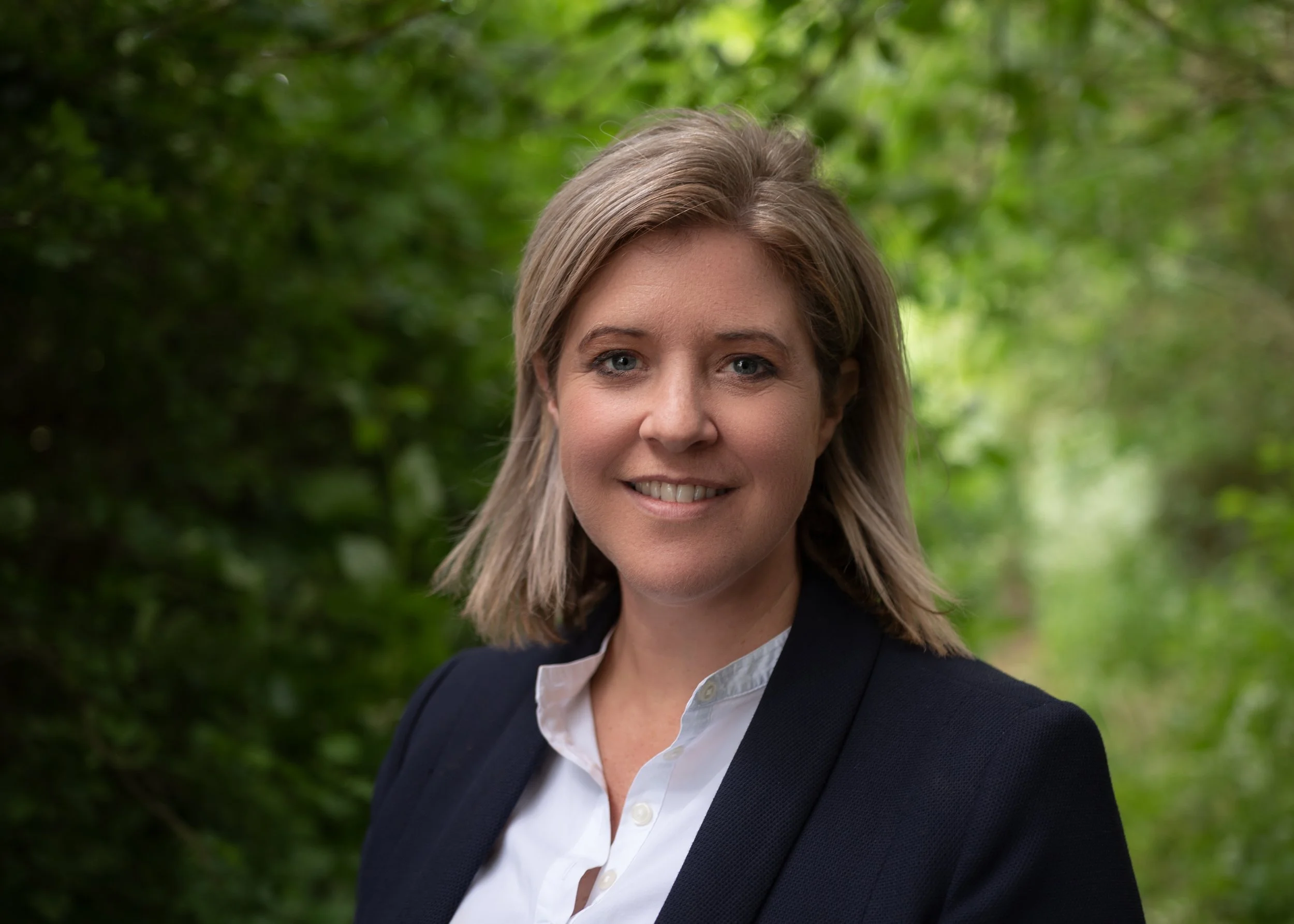
Sarah Stone, Samtaler Ltd
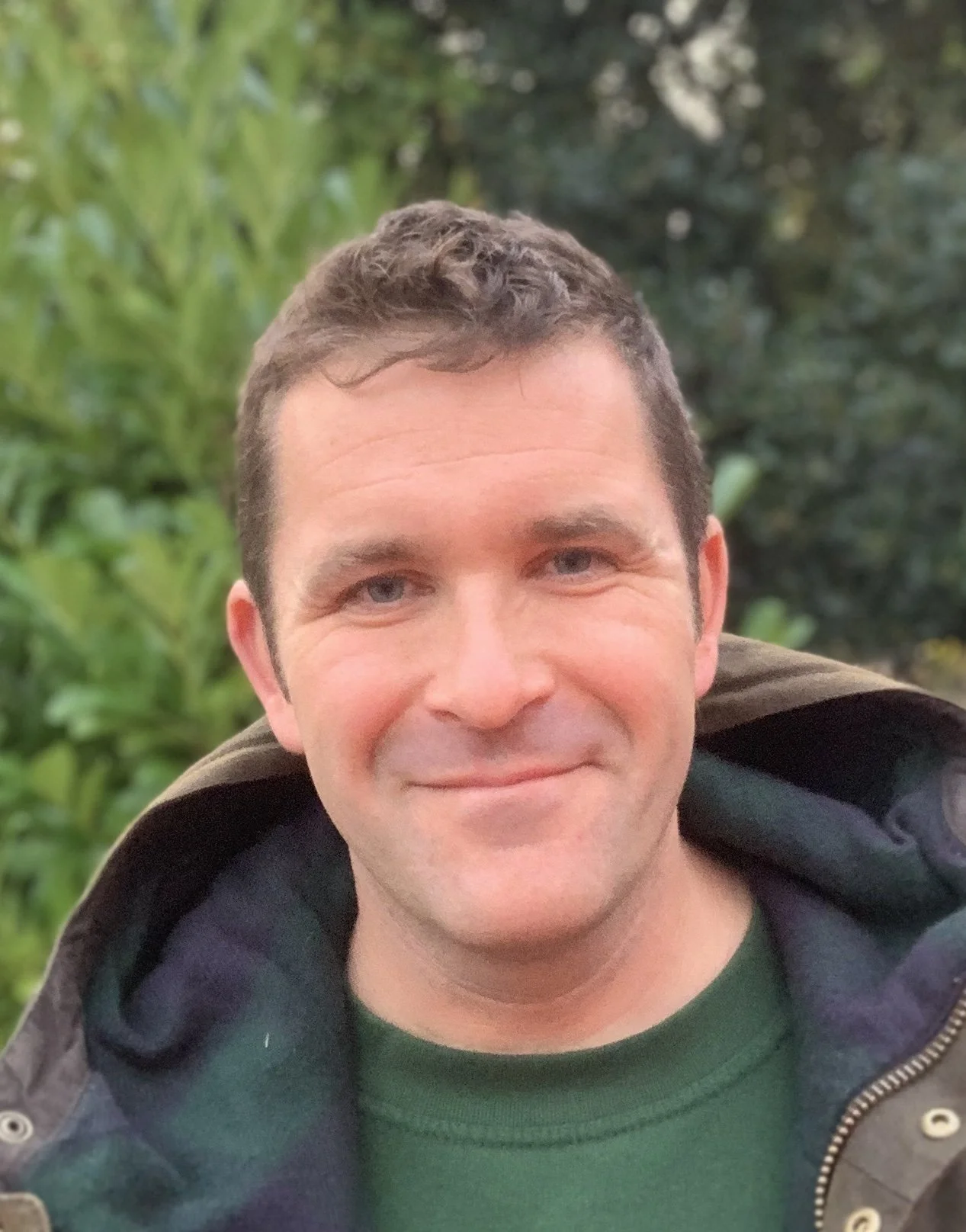
Tom Usher, Dartmoor Preservation Association
Sarah Stone: Hello, and welcome to Let's Talk Social Value. Today, I'm joined by Tom Usher, who is chief executive of the Dartmoor Preservation Association, which is an independent charity that's been working to protect and enhance Dartmoor since 1883, I think. Is that right, Tom? That's right. And under your leadership, the association's become quite a leading voice really on conservation, land management, and public access, but most notably through a successful legal campaign that you've run to protect the right to... Is it backpack camp on Dartmoor? Have I got that right?
Tom Usher: Yeah, that's right. It's wild camp on the commons of Dartmoor
Sarah Stone: Wild camp's a much better way of saying it. And that was a landmark case and that got national attention and that... Is it true to say that that's reinforced the principle that people should be able to experience and connect with nature and use our public spaces?
Tom Usher: Yeah, it absolutely did. It has ignited a really big conversation that has spilled way beyond Dartmoor to other national parks and to other public spaces. We can talk about that later. But that was the work of- importantly, the National Park Authority who did some amazing work there. But yes, it's really been a catalyst for a whole series of new conversations about public access.
Sarah Stone: Yeah, I'm really excited to talk to you about it. I mean, were you expecting the response when you started it?
Tom Usher: We expected a response certainly. I think we expected that response to be more local. But what really struck us was how, I mean, truly global the response was, both in things like donations, amplification on social media. I mean, it really struck a chord with a lot of people. The support was so much greater than we could have even hoped for. Again, the work of others that we were working with, but it really struck a chord with people.
Sarah Stone: Yeah, it definitely did for me. But before we get into it, can I just start by asking you, so what is the Dartmoor Preservation Association? Sort of who are you? What do you do?
Tom Usher: So as you said, we've been around since 1883. We're the oldest and largest membership body that helps look after Dartmoor. We're a campaigning organization at our heart, and there are similar versions of us in many of the other large national parks. And really officially, we manage our own land, which we have acquired over the years for conservation, biodiversity and access. We advocate for public access to national parks. We take an interest in major infrastructure planning. We work with the National Park Authority and others on projects that are for the benefit of Dartmoor. But really, because we've been around quite a while, we just stick our oar cheerfully into anything that we think is of importance on the moor and will help to keep it. And we can talk about what preservation is later. It's not keeping things the same forever. But to keep things that we have enjoyed for future generations. A lot of it is future-focused and making sure that people in the future can have the same opportunities that people have enjoyed for generations on Dartmoor and other national parks.
Sarah Stone: I'm gonna ask you some stupid questions here. But who owns Dartmoor then? So take it, the association doesn't own Dartmoor, right?
Tom Usher: We absolutely do not. Regrettably, no. So Dartmoor, like many national parks, has quite a complicated ownership sort of matrix, if you like. And it may surprise people that a lot of it, normally a lot of it, is not owned by the National Park Authority. No. So-
Sarah Stone: Can you just explain like what a national park is and how many we've got?
Tom Usher: Yeah. So we've got 15 in the UK instigated by the National Parks and Access to the Countryside Act 1949, coming straight out of the Second World War, recognizing very clearly people's need to have spaces that are nationally important, that are nationally beautiful, that have access to everybody and aren't sort of bound by land ownership rules. However, all of Dartmoor, like all national parks, is owned by somebody. And there are some very big institutional landowners in there. So the National Trust, for instance, has one. Here on Dartmoor, the biggest single landowner is the Duchy of Cornwall. Who own most of the northern kind of half of it. They are obviously a very important player here. But then there are a whole load of smaller estates that own a lot of the southern bits of the moor. The National Park itself does own a bit. We own a bit. And there's sort of three dozen other landowners that own little bits- S-... including lots of private individuals as well.
Sarah Stone: So National Parks are like designations, if you like, for areas of land. But they can be made up of areas of land that are owned by lots of different people. Yeah. Exactly. And the majority of those is not the state, right? They're private landowners from what you're
Tom Usher: saying. Yeah, correct. Which is a different situation, for instance, to America, where their National Parks, and they take a different view on how they're used, but they are owned by the state. No, they're owned by individuals or by institutions or by landowners, and they are designated under that act for their special qualities. And each National Park has a different special quality. And with that designation comes all sorts of additional protections and bylaws and rules and things like that. But no, they are not owned outright by the state for the people in that
Sarah Stone: respect. That's fascinating. I didn't realize that.
Tom Usher: Which brings, as you can imagine, a whole kind of host of considerations and problems-
Sarah Stone:
Tom Usher: so.
Sarah Stone: Yeah, 'cause one of my questions when you said, "Primarily we're a campaigning organization," I wrote that down 'cause I thought, "Oh, campaigning. Why?" And I can see why now. 'Cause you're trying to encourage landowners to behave in certain ways and also the National Parks Authority.
Tom Usher: That's a very good description. I mean, just to give you a very brief, like, historical sort of example of some of our campaigns. So post-war, there was a lot of reservoir building on Dartmoor. Really necessary to have reservoirs, of course. But in order to build a reservoir you have to sink an entire valley under water which might have, you know, very unique flora and fauna, always archeology in it. And so in several cases we have campaigned to either move reservoirs or to prevent inappropriate ones being put in. Most recently you talked about wild camping, backpack camping. That was a public- access issue. That was something we were able to step into because we have the structures. As a properly organized charity, you know, trustees, bank accounts, accountants- lawyers, charity commission. We have the structure that often allows other people to bring their campaigns to us and we have the experience and structures that, you know, we can assist them with that, if you like. But yeah, campaigning is absolutely essential. We do spend a lot of time at the grassroots level helping individuals and groups get what they need out of the moor. But really, structural policy change is where we began in sort of 1880s and then all the way through to about the '60s campaigning on big issues that once decided either way would then have a very long-term impact kind of one way or the other on Dartmoor.
Sarah Stone: Yeah. And whose interests are you operating on behalf of? Is it primarily the public or is it the environment? You know, do you view the environment- the moor itself as a stakeholder? That
Tom Usher: is a really good question. So I think for a very long time we would've said the public, and that still absolutely stands because it is a National Park designated for the people. But increasingly, you know, we consider the moor in the, in the ways you described. You know, we're advocating for the moor itself. And as more and more, you know, response to climate change and the requirement of biodiversity loss and people's interest in that comes into play- More and more what we're thinking about, not just physically how the moor looks and preserving some of that and accepting change elsewhere, but actually we're taking on board what is important to people and understanding how we can use our sort of influence to create that kind of environment for people.
Sarah Stone: And that's really important, right? 'Cause the environment... I mean, one of the challenges we've got is the environment doesn't have anybody that stands up for it. It can't speak for itself, can it? It's amazing. And all the other moors and all the other national parks, do they have similar organizations to you?
Tom Usher: Yes, they do, i- in some form or other. Some of them, I would suggest, are more like us, as in that they're a bit bigger. They're very well connected to the national park. They are, we hope, influential outside of the national park and Devon. And some are not professional, as in they're all volunteers. But yes, they- Yeah, not
Sarah Stone: as well resourced probably.
Tom Usher: Yes. Although some of them- are very well resourced. Yeah. Progressively. Yeah. I would love to have their resources. But yes, every-... every national park has a small group of people who-
Sarah Stone:
Tom Usher: I suppose you could describe us in some respects as the critical friend to the National Park Authority. That is to be both critical and to be a friend.
Sarah Stone: So if someone's listening to this, no matter where they are in the UK, you know, they might be near Dartmoor, they might not, they might be in Scotland, or they might be up in the North, there will be a local version of your organization that will have- Absolutely... that role with the national park.
Tom Usher: Yes, absolutely, and they're all great people and very knowledgeable and dedicated. So there will be someone local to you in your- nearest national park.
Sarah Stone: I mean, a lot of people listening won't understand the pressures facing landscapes like Dartmoor. Mm. So what kind of challenges do you experience that maybe in Dartmoor that are also relevant elsewhere in some of those other parks that we just talked about? And what are the biggest misconceptions that people have about places like Dartmoor? I
Tom Usher: mean, misconceptions first maybe. I mean, you've already touched on one, which is that they are, you know, maybe owned by the state and therefore have all sorts of protections that perhaps don't really exist, and that complexity of ownership is tricky. One of the other misconceptions is that they're sort of set in stone and that they're always like that and unchanging. I mean, Dartmoor is a very ancient human landscape that has always changed. I talked about the 1949 act. There is a danger of taking that as a point in time and saying it has to look like that forever. If you think about other places like the Lake District or the Peak District, you know, they are environments that are entirely... while they look wild, and in places are, they're also entirely manufactured by the action of, in that case, agriculture. And the same is sort of true down on Dartmoor. So I suppose one of the biggest misconceptions is that it has to look a certain way, and it's always gonna look like that, and it's never been different. Because then people get very stuck on what it looks like and how things can or can't change, I guess. But in terms of the challenges here that are probably common everywhere, and including in national landscapes, which used to be called areas of outstanding natural beauty, there are some very different polarized views on what should happen to our national designated landscapes. You know, everything from, you know, wholesale rewilding to wholesale agriculture. And those two things are not necessarily opposed, but like so many things discourse at the moment, the people are pretty quickly polarized, and they want absolute one thing or absolute the other. There is also kind of undercurrents Of a dissatisfaction perhaps with people who live and work in the park areas with visitor numbers and that management, and there is the sort of existential challenge of climate change and what that means for the flora and fauna and for access. The biggest one, I suppose, is we live on a very crowded island that is getting bigger and bigger and more and more crowded all the time, and so the physical pressure on national parks is getting greater and greater all the time. And all those people want to come, but the land isn't getting any bigger or easier to manage. And so they're all the kind of real life on the ground issues coupled with a really big one, a material one, which is that national park funding by any measure has been reducing year on year links to any kind of indexing you'd want to mention for a very long time. So national parks are being asked to do a great deal more than they ever were with a great deal less resource. So they are the kind of common problems.
Sarah Stone: And when you say do a great deal more... I'm fascinated because I obviously hadn't realized that the national parks weren't owned by the state. Yeah. So the national parks, when you're saying do a lot more, you mean things like improve access and rights of way and land management. But where does the responsibility sit with the national park and where does it sit with the landowner and is there... I imagine there's lots of gray areas in between, right?
Tom Usher: Oh, a lot of gray areas. So the national park is also the planning authority for the national park area. As an arm's length body of DEFRA, essentially it's where it gets the money from, it's obliged to produce local plans and all those sort of structures of local government. But as you say, it doesn't get council tax in like your local council. Its only receipts are the grant it gets from DEFRA. And with that, it has to do those things you said. You know, it has to manage footpaths, it has to manage visitors, it has to convene, and this is where a lot of its work is. It has to convene a lot of people, all the people we've been talking about, to try and come up with a way forward for Dartmoor with projects that deliver sustainable agriculture within the national park. You know, projects that manage visitors, that encourage new entrants to come and visit the national park. But all of it, while also not owning that much of it or any of it in some cases, and with a relatively limited budget. So- They have a real job of partnership building, of convening, and of convincing that these things can and should happen.
Sarah Stone: And the legal campaign, what was the campaign called?
Tom Usher: Well, it had a slightly clunky legal name, which was, you know, so and so versus Dartmoor National Park Authority. Oh, yeah. On reflection, we should have had a fancy name. We should have called it Operation something or Project something, but we didn't. Um- But
Sarah Stone: it still caught people's imagination even with
Tom Usher: that name. It caught people's imagination. Yeah. And that's, you know, the National Park Authority was the correspondent because they essentially owned the bylaw that was being challenged. And then round about them there were two or three organizations, the Open Spaces Society, who are real experts on the, on the legal issues around rights of way, and importantly the commons, of which Dartmoor has a lot. Us, who provided the sort of structure of governance, the structure of fundraising, the war chest, and run all the fundraising to support the National Park Authority. And then a great organization called the Stars Are For Everyone, who are local to Devon, who are really good at generating all that stuff you talked about the public interest and really making people understand why this was a problem that wasn't just about a tent on Dartmoor. It actually had implications far greater than that to all sorts of things, like access to rivers, the riparian environment for kayaks, but also access in general. It was a sort of retrenchment of access in the round, and if you let that slide, then it would be easy to let other things slide.
Sarah Stone: Yeah. And I really want to talk about that and talk about public access and why it's so important to people in communities. But before we do, can you just give us a little bit of a high-level overview of the case and what it was about, and who was the protagonist- Yes... and who was the- defender, if you like?
Tom Usher: Sure. So it was a challenge to bylaw seven of Dartmoor National Park Bylaws, which says that you can camp overnight on the commons of Dartmoor in some specific areas that were designated camping area. Very big. Covers a great deal of the moor. And there were certain conditions, you know, you've gotta be able to carry it all in, carry it all out. You know, you get in late, you leave early. You know, responsible wild camping. So this individual who owns something called the Blatchford Estates, right on Dartmoor, I haven't often talked about him particularly 'cause I don't wish to demonize anyone. Challenged that on the... Part of his land involved the commons on which camping can happen. So there is common land all over the UK, and when people hear common they might- sort of think of the common near their village or their, near their house. Yeah,
Sarah Stone: yeah. I do. I remember my history lesson. It's the common and I always think it's not land that's owned by anybody.
Tom Usher: Well, it is, it is often owned by people, but it can also be common land. So for instance, a lot of the common land on Dartmoor is owned by the Duchy of Cornwall. But it's also... Commons is a very ancient designation coming sort of pre-land ownership, if you like, and the assumption being that if you know, you owned your farmstead in as much as you occupied it, and everything that wasn't that belonged to everybody. So that's where the commons of Dartmoor comes from, and indeed commons everywhere. Some very ancient rights attached to it, you know, right to collect firewood, right to cut peat, and importantly, right to put your cattle out. And there are whole farming systems on Dartmoor now that rely on that. People have relatively small home farms, not much actual ground, but they rely on the commons being where they graze their animals, and they're known as the commoners. And for some reason in the UK, the word commoner has become some kind of derogatory term. But, you know, people wear the badge of commoner very proudly. That is- I
Sarah Stone: can see how they're really proud 'cause it's probably quite a- It's...
Tom Usher: If you're
Sarah Stone: a commoner-... quite a hard thing to be, right? Be a commoner.
Tom Usher: It's a very hard job. It's a hard life. It's multi-generational, and they wear that as a badge of pride, you know, to be a commoner up here- in the English, what you're talking about. These are people who have rights of common to use the common in certain ways. Yeah.
Sarah Stone: So you had a landowner, part of the National Park, who had some common land- Mm-hmm if that's the right description, and decided they wanted to challenge this bylaw. They did. Was there a reason why or?
Tom Usher: He didn't want people camping on his land. It's as simple as that. And they challenged in the bylaw, it's relatively short, they challenged the meaning of the word recreation, and they claimed that that did not constitute. You could still have recreation without doing this one thing. It went through the High Court, and the High Court found in their favor. It then went through the Appeal Court, and the Appeal Court found against them. So that's sort of 3-1 so far. And then he appealed further to the Supreme Court where a further five Supreme Court judges looked at it and they unanimously found in favor of the National Park Authority, which is to say that bylaw seven, wild camping bylaw stands, and it does constitute recreation. And their point was was that because Dartmoor is so huge, in order to access the middle of it if you wish to, you can only do that if you camp at the same time. Mm-hmm. So essentially, as with all cases, there was nothing necessarily for the National Park to prove, although they did so. The onus was on the person bringing the, bringing the complaint, and it was found against them. And now we're essentially back to where we were, which is really good. Except that, back to your, one of your points you made earlier, it has ignited a huge conversation about access. Which probably wouldn't have happened without this case. So slightly unwittingly, this guy - Yes... has sort of become the greatest advocate- The
Sarah Stone: poster child for...
Tom Usher: for public access in the last sort of, in the last two generations.
Sarah Stone: Because actually that was the point you were making, is that this case was not about one person's land and people camping on one person's land. This was about changing a bylaw, right? And that would've had far wider implications. Yes. And I suppose what were the implications if this challenge had been successful?
Tom Usher: Yeah. So you're absolutely right, and that's why it was important to us in the National Park to take a stand on something that appeared relatively niche. It would've set a precedent whereby that access was removed. So if that access is removed, suddenly you might start looking at other forms of access and recreation. What about, I don't know, cycling? What about horse riding? What about access to the edge of a river to kayak? All those other kind of things. We feared it might have had a frustrating sort of domino effect on other forms of access elsewhere and embolden people. You know, every day down here in Devon, and indeed across the country, public rights of way, permissive paths are being quietly chained up, you know, and then it takes a long time to kind of challenge them to get them open again. It's very easy to shut things off. Mm. It's much harder to open them up. So what we were trying to do- was to prevent the shutting off to start with. It was also a sort of, a really important thing, which is that back to sort of my description of the commons used to be everywhere. Dartmoor was the last place in England and Wales where you could wild camp without the permission of the landowner. You can actually wild camp anywhere as long as you have the permission of the landowner. But not having their permission meant that people could just come and do it. And there are all sorts of implications to that. So if you can imagine, one of my colleagues spoke very eloquently and I won't sort of put myself in her shoes particularly, 'cause I'm taking her story for her. But she talked about the first time she went camping with her young sons as a single mother. And she's like, "Do you know what? I could only do it on Dartmoor because I couldn't risk- Being turfed off as night falls with two small boys up on the moor by somebody who said, "You haven't got any right to camp here." So rather than not go if you live somewhere else, she's like- "No, I can go, and I can go with the confidence that I'm allowed to stay here, and I can take time to get set up, and I can do this thing, and then it'll be great. And then I can get off again." It's those little sort of barriers to access that prevent people doing things elsewhere. You know, they're worried about being told they're breaking the law, or they can't go or- they're worried about not being safe, you know, going somewhere where it isn't set up for that, or there isn't an expectation of that. So that's just a sort of micro example.
Sarah Stone: Yeah. But- There's also the difficulty of contacting a landowner, right? There, it's often really hard to do. Anyway, when you talk about access to nature- why is it so important for people? Like, what are the benefits for people from accessing nature? What happens when people lose their connection with nature, and who is currently missing out that isn't accessing it? You know, are there any particular groups of people who are missing these benefits?
Tom Usher: So this last question, I think probably everybody could spend a bit more time, A, in nature, and B, not on their phone. I've recently fallen down a rabbit hole. Because I've got three teenage children, I put myself on Instagram for two days just to see what was going on, to understand it, and I just tumbled down a- Me too. a kind of rabbit hole- It's
Sarah Stone: really easy to do...
Tom Usher: which I was like, "Oh my God, I understand what's happening to them now." And so I've now deleted it, 'cause there was nothing on there anyway. We live on this incredibly busy, relatively small, hyper-connected island where it's just too easy not to take a moment of quiet, or not to go outside and even walk the dog, or not to say, "Today, I'm actually gonna make an effort and go and have a little micro adventure and be up on the moor, or be down in the river, or I'll go to the sea or whatever." And I think the longer, and longer that goes on, the narrower and narrower people's experience of life becomes, despite the fact that they have a telephone with the entire world on it. And it's not all about technology, but there's a lot of... You know, there's good and bad stuff that comes from that. So when people lose their connection to nature, I think their experience of where we're living and what we need to do with ourselves narrows considerably. And when you get out and, you know, see a national park, or even better, become involved in a national park, even in a small way in volunteering or just having an experience there, which could be backpack camping, or it could be anything really, I'm absolutely convinced that you walk away, you know, mind slightly expanded. You've got a little loadstone you can touch for a few days. I mean, I do not have them to hand, but we will all know that there are endless detailed peer-reviewed studies again and again and again that show us- That spending time outside, A, away from a screen, B, walking upright, which is what we're designed to do, experiencing, you know, the wind and the sun and all that stuff, just having a conversation with one another not in a room has enormous mental health benefits, gives people space to think, maybe gives people a moment just to be quiet on their own, all these things. So because the alternatives are so enticing and easy, it's very easy not to go out in nature, even to take the dog for a walk if you've got a dog. But as soon as you start to lose it's the thin end of the wedge and your world will narrow. But by the same token, when you're out there and experiencing these things, your world broadens. So anyone who's... Down here we have the Ten Tors, really huge youth challenge, probably the most, you know, the hardest thing a teenager can do physically in the UK, I reckon. Um, it's absolutely incredible to see the kids, whether they've done 35-mile walk or 45 or 55, to see them go and see them come back, and it changes them. It really does. And that can be replicated across the Duke of Edinburgh or just across a walk on your own for a day. But the first time people go out wild camping on their own or with a mate, it's genuinely, it's magic. It's not life-changing- in a sort of lightning bolt kind of way, but you are sort of- Yeah changed by it for the better.
Sarah Stone: I mean, there will be some people listening to this who are, you know, on their daily walk, 'cause that's what they do, listen to podcasts on their walk, and they will be agreeing with this. And then there'll be other people listening to this who are thinking, like me now actually listening to you, "No, he's right. I want to go out."
Tom Usher: Mm.
Sarah Stone: You know, you need to get out. But I think if you're a business, why should you care a- about places like Dartmoor and about conservation? And, you know, what would you say to a business leader who sees conservation and access to nature as a nice-to-have rather than something that's connected to their organization or their business' success?
Tom Usher: The direct relationship to the business success is that, whether they realize it or not, is that it matters to their workforce It matters on a really personal level to some of their workforce, and it will in fact be, in some way, part of some of their key performers' entire worldview of themselves. Their worldview may not be centered around the fact that they work at X or Y company or for you or for them. Their actual real inner life will be about all this other stuff. Yeah. And they're just kinda checking that out for a bit while they go and earn money for you. No matter what the sort of behaviors that you've decided need to happen in your company, that they demonstrate 9:00 to 5:00 as a requirement to their job, that's what a lot of them will actually care about. And so, you know, if you wanna make that team work a bit better, you know, maybe go to where their focus is. And you know, companies have got much better at recognizing that in the sense of family, because family's very important to people, and there's all sorts of structures there. But, you know, lots of people don't have families. Or, you know- you've gotta meet people where they are. So that's the kind of business reason, I think. But there's a more kind of vague, grand strategic reason, which is that these are the only national parks we've got. They are the last wild or wildish spaces we have in the UK and around the world, and they're absolutely critical to how the UK functions. They're critical to providing places where volunteering can happen, which is very important for people. They will be increasingly critical in the response to climate change. And depending on how important that sort of thing is to the resilience of your business, then people should take an interest in it. I mean, we are in a very interconnected world, and if you ignore these huge chunks of land mass that are very important to people, then you're missing a big connection.
Sarah Stone: What could somebody who's listening who thinks, "No, I completely agree, Tom, you're totally right," but what can I do? What kinds of things can organizations do to help and support, and how can they engage with organizations like yours?
Tom Usher: They can give us vast amounts of money, Sarah.
Sarah Stone: No,
Tom Usher: that's... No, money is always, unrestricted funds, always very welcome. But you're right, that's not always how people want to engage with it. So just speaking just about us, and I'm sure there are other people who can offer something similar, you know, we run a whole series almost every other day of either free walks or work days. So we have all this land, and most of the work on our land is delivered by volunteers, increasingly from companies or from the NHS or from corporate groups who come on up, give us some days, do some work for us. They've had a brilliant day out cutting gorse, using the strimmer, all that kind of stuff, and that's a great way of helping Something slightly bigger. You know, I've talked about all the stuff we do and some of it sounds a bit disjointed 'cause we sort of do that and do this and do that. But we also have a whole series of projects that we run, very specific kind of bounded projects, almost all about access, especially younger people getting onto Dartmouth. So I'll give you an example, a program called More Boots, which is all about providing critical equipment to younger people who want to take part in Duke of Edinburgh, who want to take part in TenTours and Scouts, but simply can't afford it. Because those people are largely invisible. Because they don't turn up to these things in the first place because they can't, they don't get the opportunity. And those sorts of things, I mean, we talked about things being life-changing. Those are the kind of things that are life-changing actually. If you know, come from a deprived background, you know, we have Plymouth on the doorstep, regrettably one of the highest deprivation indexes in the UK. There are other places, rural communities, often quite deprived. These kids, um, you know, teens, they want to do these things. They're looking for something to do, and so we provide the equipment. So businesses can look for programs like that are quite neatly packaged, have a very specific output, have really good impact, and can be scaled. So I think looking for the right things 'cause- Perhaps the other half of your question is what is unhelpful? I mean, nothing is unhelpful truly, but offers of volunteering are always welcome. But sometimes they can end up becoming a real, bluntly, a real admin nurse for charities because they get hedged around with so many conditions, and it's gotta be this, and it's gotta be that and actually suddenly you're running their volunteering program for them. What we do want to do is to make use... Many companies offer volunteering days to people, and we'd love to be able to facilitate those 'cause we have the structure already. But I guess it would be to come, to come generously rather than to come hedged around with conditions about this or that.
Sarah Stone: With strings attached. So I want to go back to the youth programs in a minute, but just to kinda talk about the volunteering piece, because I do hear that a lot, exactly that. Charities say the amount of admin is insane, but it sounds like... Are you saying that you genuinely need bodies? You have certain dates or time, you know, days of the year- Yeah where you need manpower and it can be relatively unskilled. By that I mean people that don't know what they're doing, and as long as they come dressed and with the right mindset, you will put them to work and find a job which is suitable for their ability, right? Yeah. 'Cause some people will want to chop gorse, and other people will want to stream, and some people will not. They'll want to pick up litter or something. I'm guessing you have a range of activities.
Tom Usher: We do. We absolutely do. And as you say, turn up properly dressed with a packed lunch, and we will put you to work. And, uh- yes.
Sarah Stone: And you'll have an amazing day.
Tom Usher: I hope so, yes. Yeah. Yeah.
Sarah Stone: Are you saying that is also generally useful for you? That's generally impactful. That's something you really need.
Tom Usher: Yes, it is. Yeah. We've recently refreshed all our land management plans, taking into account things like climate change, biodiversity loss, and just a whole load of other stuff. We're trialing a few things like, you know, conservation grazing, and we can always put people to work. It's almost always clearing. We do a lot of habitat maintenance on some of our bigger land bits and they're very satisfying days. They're quite... I mean, they end up being hard-ish. But again- you can meet them where you are, you know? It's not sort of forced labor. It's people turn up, we provide everything. Mm-hmm. All we ask is people get themselves to somewhere and yeah, you will have a great day. So that is genuinely useful.
Sarah Stone: And that is something that happens in... Obviously, it happens on Dartmoor, but there are other national parks where there are programs like that.
Tom Usher: Yeah, I'm absolutely sure of it. I mean, there's a brilliant one called Fix The Fells up in the Lake District. But there'll be something like that everywhere. And you know what? We, like so many parts of the UK, are entirely dependent on volunteers to deliver that work. Even our kind of organizers are volunteers, and without them we wouldn't be able to do half of this work or any of it, in fact. So yeah, volunteers are critically important to our land work and our conservation work.
Sarah Stone: The other thing, listening to you, and it reminds me of when I did DV, I came from a fairly... It wasn't deprived, but it wasn't that privileged, you know, place and school. And I did DV and I joined the Army, and those two things completely changed my future. You know? Okay. Totally changed who I was. But DV taught me all of these, what people call soft skills now, right? It taught me resilience, it taught me teamwork. It just taught me so much. And those are the things I think that when we talk about employability, when we talk about, you know, the issue with NEATs and helping young people into work, this is where some of the gaps are, right? So- I feel like programs like that are part of the NEAT solution
Tom Usher: Yeah. That's a good way of putting it. And we talked about the camping case, and we built up this huge war chest just in case, from public donations very generously given, just in case it was lost, which it wasn't. And we've now turned that into Dartmoor's first public access fund, which is modeled on more boots in as much as, but broader. So people can bid into it anything up to 4,000 pounds for projects that they are running themselves that deliver access. And we have a definite bias towards the type of younger people that you're talking about there. Because as you say, you just... You don't know what you don't know really, and one of the problems with access to national parks is that the people who don't come to it are sort of invisible. You only see the people who come to it. Yeah. And you don't often think about, right, who isn't coming and why aren't they coming? I mean, the stats on kind of who doesn't come but also who lives on top of it is crazy. You know, lots of kids in Plymouth don't come. There are people who live on the moor who basically don't go there. You know, so it's finding those people who should be there or who would benefit from it in the way that you described, which is exactly, you know... We're not expecting to change people's lives, but what we are hoping will happen for a few of these younger people is your D of E experience. You just start the first little stone rolling, if you like. Yeah. Oh, yeah, sorry. Not stone roll- Yeah, no, that was not a pun, sorry. Yeah. The, uh,
Sarah Stone: uh...
Tom Usher: When you just start the first thing rolling, and when you talk about the NEATs, you know, people can either go to a first interview or maybe a first training course with not very much to say Or they can say, "This is my background. It is what it is, but, you know, I've done these other things too. You know, let me tell you all about what I learnt on 10 Tours, or let me..." T- and it just gives people- the first little stepping stone to start building the other stuff on. And that's why, that's the kind of social benefit of access, especially at the youth level. All the stuff we've been talking about, it takes people out of themselves for a day. They give them a different experience to talk about. Maybe they talk to someone new they've never spoken to. Maybe they challenge themselves in a way they hadn't thought of before through all those programs we talked about. And they can't do that unless they have the framework to do it. It's waiting for them, and they're invited, and maybe they have a tiny little help from someone like us just to get them
Sarah Stone: on. Yeah. Lots of schools don't have the resources to do DofE. They don't have the people to volunteer. They just can't put them on.
Tom Usher: No. They often have very dedicated teachers who are willing to do it, and there's a whole load of teachers out there sweating bullets to make these things happen. They really are. Transport, impossible for many maintained schools. Just all of it. It becomes too hard and too complicated, and-
Sarah Stone:
Tom Usher: people miss out.
Sarah Stone: And that strikes me as another way that employers and businesses can support schools with these kinds of projects. If you've got employees- who are, you know, really active and outdoor and want to volunteer. Just thinking about partners for organizations like yours, obviously funding's always good, and you talked about volunteers, but is there other kind of expertise that you need, you know, technology or... What would your dream, like, partnership opportunity be? Or what would you... If you had a magic wand, and you can just say, "Oh, I'd love this, and this," and it's not about money, what would make a difference?
Tom Usher: Yeah, if it wasn't on money. The trouble is so much always comes back to money.
Sarah Stone: But I always say, "What would you spend the money on?" It's, it's like- Well, that's-... people want money 'cause they want to spend it on something. Yeah. So I always say, "Well- That's
Tom Usher: fair enough. So-... what
Sarah Stone: do you want to spend it on?"
Tom Usher: Rather than money, it would be amazing to have... So I talked about the Public Access Fund, for instance. With that, lots of interesting projects are coming forward with sort of local groups, if you like. So not direct money, but to adopt a project within the Public Access Fund that we could then make multi-year. Do you know what I mean? So Moor Boots is, like, a really good example of something that works really well, but I'm expecting several more of those to come out of this because it's coming from... We're essentially crowdsourcing the best ideas. So just to adopt one of those and then to sort of turbocharge it on a kind of match funding basis or whatever. We're doing a lot of land work at the moment, and we get really good support from other charities, like the Devon Wildlife Trust and people like that, who are amazing. But I suppose people with expertise in biodiversity and habitat management and stuff like that, or one thing that I've long wanted to do but have never quite managed to link up is linking up organizations. They may be charities, or they may be companies that assist those who might have mental health difficulty or... So every county or whatever has a mental health trust that sits alongside the NHS trusts. Coming up with programs aimed specifically at people around green prescribing, whole army of people that should be coming up and volunteering for us all the time. So making that link, and I'm not sure why it's been hard to link all those things up. I think probably because there's so many big organizations with processes in it. But- if anyone is in any of those types of environments who want to benefit and need something kind of oven ready, then we're here for that. It doesn't always come back to money, but I guess adopting a program of sorts would be really useful. Because- We are
Sarah Stone: actually working on something quite similar-
Tom Usher: Okay...
Sarah Stone: which I can't speak about, but put a pin in that. We'll talk to you about it.
Tom Usher: Well, the other reason, I guess, for saying adopting a program is that, you know, I haven't always worked here at the DPA. You know, I've worked in some big corporates and a few other bits and bobs, and I know how competent and efficient people are in those places. So we're a relatively modest team. There's only sort of four plus of us. In adopting a program, I absolutely bet you could throw the program at somebody for half an afternoon, and they would- chunk through it and go, "Have you thought about this? We've missed that. Why don't we apply for that funding?" And, like, that would be amazing, you know. I used to, I used to work at PWC a long time ago- and I often think, God, you know what? If I could just have two senior associates from PWC for one day, I could literally- revolutionize matters, you know? And so- it's, it's things like that, you know? It's-
Sarah Stone: I think a lot of companies don't realize the difference they could make with really small interventions. You know, a little bit of expertise can go a long way.
Tom Usher: So that, right, that is the good side of the thing we talked about earlier. So I talked about the admin laws of people wanting to come and putting conditions on all the volunteering. Mm. That's because they are big organizations that are used to saying something and then it happening, and everything working like clockwork to gold standard, which is why it often falls down, I think, with charities who are just trying to get something done quickly and just want 10 people to turn up. But the other side of that is that all those companies and organizations have some really high quality, smart, ambitious, often young, you know, interested people who could just eat up a problem in a heartbeat. So that'd be really good.
Sarah Stone: What's a project, if anyone's listening, thinking, "We can do that," what's a project that you'd love to accelerate?
Tom Usher: Well, we recently started a partnership with South Dartmoor Community College in Ashburton who have some very ambitious plans- To get all their kids up on the moor and we're partnering with them on a sort of walk/run program starting in year seven and going right up to the end of the school year where we're helping them with some infrastructure. Kids are gonna learn how to do, like, basic navigation around the school and then they move up to basic navigation around Ashburton and then around the local National Trust woods and it all kinda chunks forward and at the end of it when they're sort of 16, 17 they should be able to navigate independently across Dartmoor confident that their equipment works, that they know what they're doing and that they can get up there and do that. Which is really important given that many of them don't go up there. In concert with that we're creating... well, they are creating with our support an equipment library for the families of South Dartmoor Community College. Yeah, this is all the brainchild of two amazing teachers there including their deputy headmistress who have come up with this. It's kind of riffing on moor boots if you like. Parents will be able to access it, sign it out-
Sarah Stone: Unlike tool libraries. You know, tool libraries are fairly common so they can sign the kit out, people can use it and then it can go back and be reused for someone else.
Tom Usher: Yeah, and I like that one because it's very specifically about Ashburton which is right on the edge of the moor, it's very specifically about young people, it's managed and delivered by the school, it's quite practical and will have longevity. It's not, "We're gonna give you some money, you're gonna do a project and then it's over." This should last for years and that's really important. I know there might be a problem about dealing with a school in the maintained sector 'cause they're technically government-funded, but we were carried along by the enthusiasm of the teachers and the quality of their plans so we have, we've leant into it.
Sarah Stone: S- And so that's the kind of project you'd like to do what? More of those? Scale it? Y-
Tom Usher: yeah because they have multi-year impact. That's exactly why, yeah. And also importantly they have shared risk. So quite often, Public Access Fund as an example, someone sends us a project, we send them money, they send us some pictures when it's done, that's great. But when someone else brings the project properly and says, "This is our project that we've got-"
Sarah Stone: Yeah. And they've designed it 'cause it's what they need, and they know their kids really need it.
Tom Usher: Yeah, exactly. So much great stuff comes from teachers of secondary schools really- because they know what's going on. And so that kind of shared risk, shared reward is actually a very important part of a very successful project, I think.
Sarah Stone: This has been so inspiring. If people want to reach out to you, if anyone's listening and they think- "Oh, yeah, I'm up for that," how do they find you?
Tom Usher: Well, so you can reach us at info@dartmoorpreservation.co.uk. That's also on our website. That will come to me, and I will respond to you. If you're interested in volunteering, then, again, on our website there's a volunteering page which sets out all the dates pretty much between here and December. We've just refreshed that one, so there's lots going on there. There's lots of different things as well, so it doesn't have to be cutting gorse on our land. There's butterfly conservation. There's archeological conservation. There's all sorts of stuff going on, and loads of free walks. We're also on Blue Sky, Instagram, and Facebook, so please look us up. But if you want an email straight in, info@dartmoorpreservation.co.uk.
Sarah Stone: Thank you. I will put all the links to all of the things you just talked about in the show notes as well. For anyone who's inspired, what are sort of three practical things that someone could do this week, you know, whether they're an individual or a business or a social value professional, that could help them take action?
Tom Usher: Yeah, sure. So go for a walk first. Go for a walk and have a think. That's quite important. Preferably on Dartmoor, but in your national park is good, too. If you're not on Dartmoor, why don't you look up your local friends of, they're often called, just to see who they are and see what they're up to in your local area. And I guess the third one is just think about any time in your life where you had a fork in the road and something like being outside, a particular holiday, something in the UK, Tentours, D of E, Scouts, where something just gave you the next building block to move forward, and consider how we can give somebody else who needs that at this very difficult, demanding time that same leg up. That would be brilliant. Those three things.
Sarah Stone: That's amazing, and I hope people do, and please let us know if you do. Thank you so much for your time, Tom. Thank you, Sarah. I've learned l- loads.
Tom Usher: Brilliant. Thank you for your time. Yeah.
Sarah Stone: I'm Sarah Stone, and you've been listening to Let's Talk Social Value. You can find all our previous episodes on our website or subscribe wherever you get your podcasts. And if you found this useful, then please do share the episode with your networks and consider leaving us a review. I'd love to know what you think of that episode, so please reach out to me and let me know. You can find me on LinkedIn or contact me on our website, www.samtaler.co.uk. See you next time.